Why Your Healthy Diet Isn’t Enough And How Somatic Movement Can Help

When we think about nutrition, we often focus on what we eat—whole foods, supplements, and balanced meals. While all of this is important, it doesn’t capture the full picture. True nourishment extends beyond just food; it’s essential to consider the mind-body connection.
In this blog, Florence Seck, a Somatic Movement Coach, Nutritional Therapist, and Hormone Specialist at Florence Seck Nutrition, explains how tension, emotional stress, and nervous system dysregulation affect the way our body absorbs, processes, and utilises nutrients—and how these states can block the benefits of even the healthiest diet.
How your nervous system affects your nutrition
One of the core triggers of nervous system dysregulation is stress. When your body enters survival mode (fight & flight), it prioritises functions it sees as essential and downregulates any non-essential processes. This shift allows all available energy to focus on critical survival functions. However, this prioritisation and de-prioritisation can have significant effects on nutrition:
- Digestion – Reduced digestive function (less stomach acid, bile and enzymes) lead to lower nutrient absorption and increased negative digestive symptoms.
- Blood Sugar Regulation – While food is often emphasised in blood sugar management, stress also increases glucose levels, making it a key factor in blood sugar regulation.
- Reduced Blood Flow to “non essential” organs – Blood flow is needed for optimal function - this can affect digestion, detoxification and many other functions.
- Cravings – Cravings aren’t just about willpower. Blood sugar fluctuations, emotional triggers, and stress can drive cravings, making it harder to stick to a healthy diet.
- Brain Function – Increased amygdala activity (linked to fear and anxiety) reduces decision-making, memory and focus. This makes it more likely that you’ll forget a healthy meal, skip supplements, or neglect routines that keep you feeling well.
To maximise the benefits of a healthy diet and improve overall well-being, it’s important to assess and support nervous system regulation. One powerful way to do this is by integrating somatic movement and somatic body awareness with nutrition to create a holistic approach to wellness.
What is somatic movement?
A significant part of stress comes from being stuck thinking about the past or worrying about the future. This can lead to feeling disconnected from the body and the present moment.
Unlike traditional exercise, which can sometimes add stress, somatic movement is a gentle practice focused on present-moment body awareness. The word soma literally means “body,” and the body is the home of the mind—both are inseparable. Somatic practices recognise this connection and work to release tensions stored in the physical body due to mental and emotional stress. By doing so, somatic movement helps shift the body and mind from a stressed state to a relaxed state.
Benefits of somatic movement and awareness for nutrition
- Enhances digestion and nutrient absorption → By calming the nervous system “non essential” organs including those in the digestive system are re-prioritised increasing functionality and blood flow.
- Releases stored tension in muscles and fascia → Stored tension in muscles & fascia can restrict function & blood flow. Releasing this tension supports optimal functional return.
- Enhances body awareness → Helps you tune into true hunger, thirst, and rest signals instead of overriding them with stress-driven behaviours.
- Reduces stress and emotion-related cravings → Increased endorphin levels improve mood and reduce the urge for quick-fix comfort foods.
An important thing to understand is that a moment of stress isn’t the problem—it’s a natural part of life. However, chronic stress or an inability to downregulate after stressful events can lead to long-term issues.
Alongside a nourishing diet, practicing somatic movement and somatic body awareness can help build resilience to stress as well as equipping you with stress reducing skills. Over time this can train your nervous system to be in the present and prioritise states of calm.
Simple ways to integrate aomatic awareness into your day
- Mindful Eating → Bring you attention into the sensation of your body and take three to five slow belly breaths to activate digestion.
- Shaking → If feeling anxious or tense, shake your body to release stored stress.
- Daily Body Scan → Scan from head to foot, noticing sensations in each area to improve the body-mind connection.
- Check In With Emotions → When you feel tension, ask yourself where in the body you sense it and what emotion may be present. Allow yourself to feel without judgement or creating stories around it.
- Dance Therapy → A 2024 study found that exercise is an effective treatment for depression, with dance being the most beneficial. When feeling stressed, play a song and allow yourself to move freely.
Somatic Movement Coach & Nutritional Therapist, Florence Seck Say “I cannot highlight enough how important working with stress & body awareness is. I’ve had many clients come to me doing all the rights things- the whole foods, supplements, and balanced meals - but it is not until we release stress and create a strong body connection do we see real life changing improvement
Further reading: “The Body Keeps The Score” - Separating Fact From Sensation
Further reading: MOVE Your Way To Metabolic Health
Further reading: Did Our Ancestors Get Our Diet Right?
Further reading: The Sustainable Diet Tweaks For Improved Metabolic Health

You already take all three. You're probably using the wrong form of each.
Amino acids, electrolytes, an antioxidant — you cover them. The question is whether the form you use actually gets used.
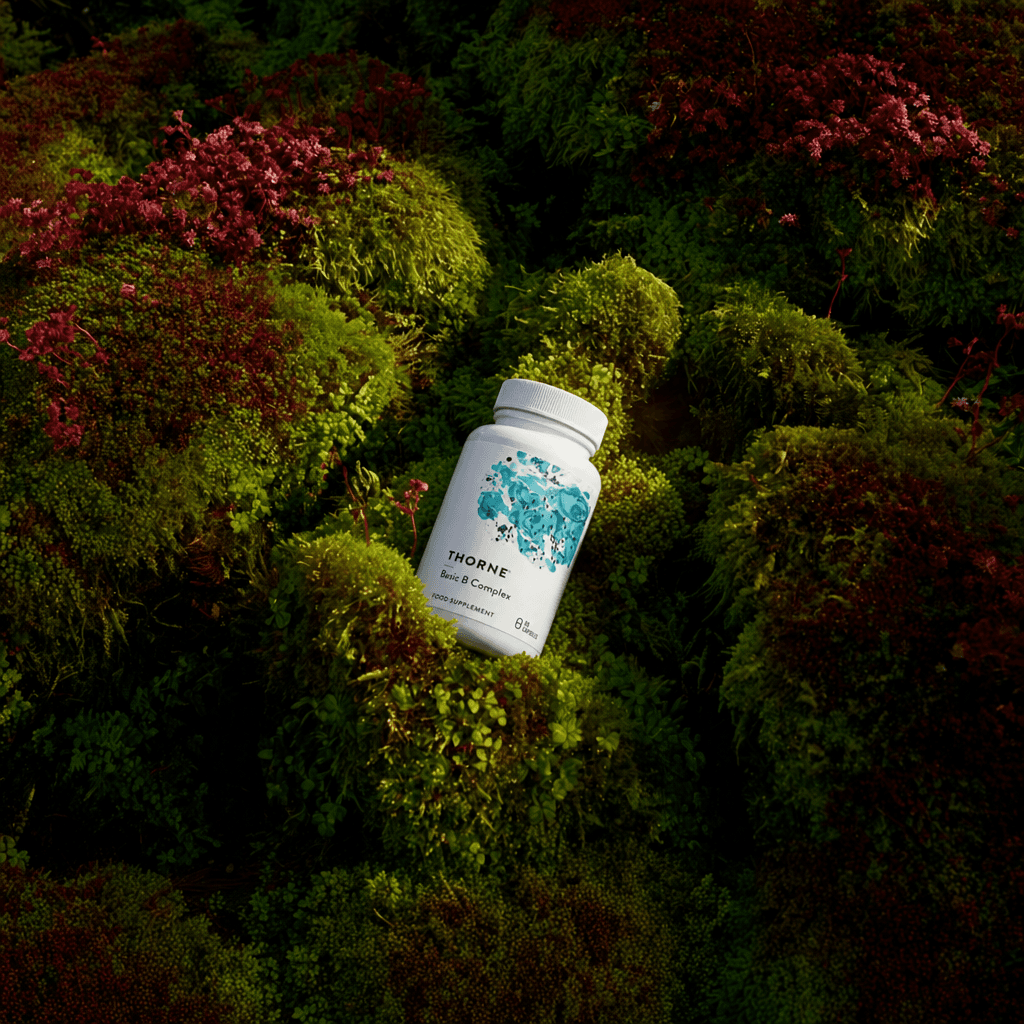
You don't have an energy problem. You have a conversion problem.
The B vitamin question most people get wrong — and why "active forms" actually matter.

Creatine For Women: What To Know Before You Start
Experts explain the benefits of creatine for women, including better mood, more strength, and less fatigue. Here's the science.