
What Is C15:0 Deficiency Syndrome? Understanding Causes, Symptoms And Management

C15:0 deficiency syndrome, also known as pentadecanoic acid deficiency, is a condition arising from the insufficient levels of a specific odd-chain saturated fatty acid (OCFA) in the body. This article delves into the causes and symptoms of C15:0 deficiency syndrome, its potential health implications, and strategies for prevention and management.
What is C:150?
Pentadecanoic acid, commonly referred to as C15:0, is an odd-chain saturated fatty acid found in certain foods. Emerging research suggests that C15:0 plays a crucial role in maintaining metabolic and heart health, liver function, and cellular resilience. Deficiency in C15:0 has been associated with various health issues, making it a nutrient of interest in recent nutritional studies.
Causes of C15:0 Deficiency
- Dietary Insufficiency: Low intake of foods rich in C15:0
- Dietary Trends: Increased consumption of low-fat or non-fat dairy products and highly processed foods that lack essential nutrients.
- **Industry Trends:**Lower C15:0 content in dairy fat based on corn vs. grass-fed cows.
- Aging: C15:0 levels decrease as we get older.
- Metabolic Disorders: Conditions that impair the body's ability to synthesize or utilize fatty acids efficiently.
Symptoms and Health Implications
A deficiency in C15:0, an essential odd-chain saturated fatty acid, can wreak havoc on your health. Vital for cellular health, mitochondrial function, and inflammation regulation, C15:0's absence is linked to increased risks of cardiovascular disease, type 2 diabetes, and metabolic syndrome.
In addition, it can disrupt lipid metabolism and immune function, potentially contributing to obesity and autoimmune disorders. Maintaining adequate C15:0 levels is crucial for overall health and disease prevention.
- Metabolic Dysregulation: Issues with glucose metabolism and insulin sensitivity, potentially leading to type 2 diabetes.
- Cholesterol Imbalance: Increased LDL-cholesterol and related conditions such as cardiovascular disease.
- Liver Dysfunction: Elevated liver enzymes caused by nonalcoholic fatty liver disease (NAFLD).
- **Fatigue:**Caused by lower cellular energy production, fragile red blood cells, and iron storage conditions.
Can you test for C15:0 deficiency?
Testing for C15:0 deficiency involves measuring blood levels of pentadecanoic acid, the primary marker for this essential fatty acid. Non-specific indicators such as elevated liver enzymes, LDL-cholesterol, red blood cell distribution width (RDW), and hyperferritinemia can also hint at a deficiency.
Additionally, assessing dietary habits to determine the intake of C15:0-rich foods is crucial in identifying and addressing potential gaps
Prevention and Management
Dietary Adjustments
Include C15:0-Rich Foods: Dive into foods that are helpful, such as cheeses from grass-fed animals. There is a need, however, to limit dietary amounts of pro-inflammatory fatty acids that are also in these foods. Balanced Diet: Ensure a well-rounded diet that includes a variety of nutrient-dense foods to support overall health.
Supplements
C15:0 Supplements: Consider supplements specifically designed and clinically proven to increase C15:0 levels, under the guidance of a healthcare professional.
Lifestyle Changes
Regular Exercise: Exercise may increase circulating C15:0 levels by helping to release C15:0 stored in your body.
Regular Monitoring
Health Check-ups: Routine medical evaluations to monitor nutrient levels and overall health, enabling timely interventions.
Public Awareness and Education
Nutritional Guidance: Promote awareness about the importance of odd-chain fatty acids and provide guidance on maintaining adequate levels through diet.
Further reading: Is Fatty Acid C15:0 Your New Health Ally?
Further reading: Liquid Gold - The Rise Of Bovine Colostrum Supplementation
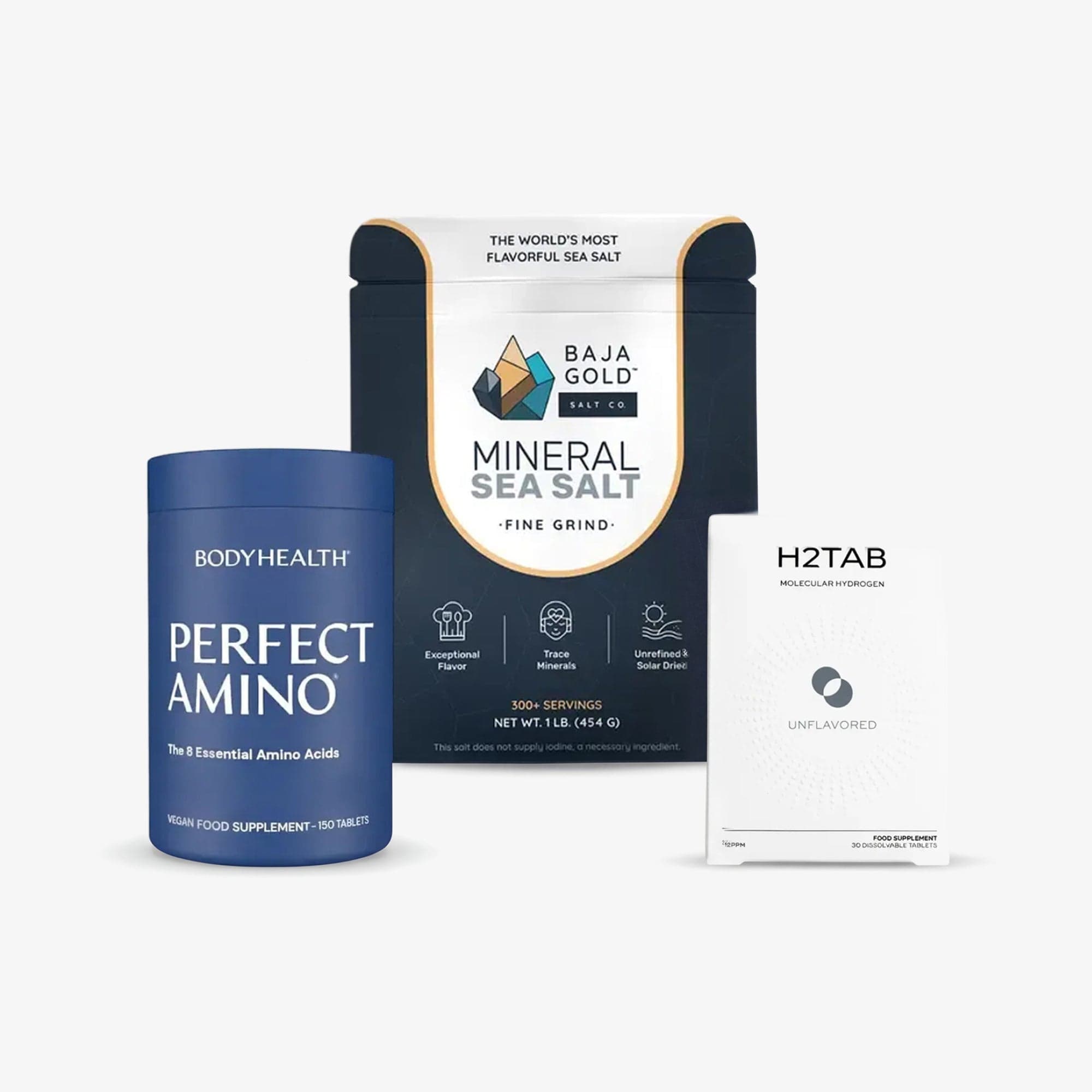
You already take all three. You're probably using the wrong form of each.
Amino acids, electrolytes, an antioxidant — you cover them. The question is whether the form you use actually gets used.

You don't have an energy problem. You have a conversion problem.
The B vitamin question most people get wrong — and why "active forms" actually matter.

Creatine For Women: What To Know Before You Start
Experts explain the benefits of creatine for women, including better mood, more strength, and less fatigue. Here's the science.