
The Science Of Polynucleotides And Anti-Ageing
Polynucleotides have been gaining vast popularity amongst the beauty and anti-ageing community as the demand increases for ways to slow down or reverse the ageing process and its visible effects.
Polynucleotides is an emerging innovation in this field using naturally occurring biopolymers that show promise in skin rejuvenation and tissue regeneration.
But what exactly are polynucleotides and how do these fascinating molecules combat ageing?
What are polynucleotides?
Polynucleotides are long chains of nucleotides that are the basic building blocks of DNA and RNA. Nucleotides consist of three parts: A sugar molecule, a phosphate group and a nitrogenous base. When they join together they form a chain of polynucleotides that is the backbone of genetic material.
In cosmetic and medical applications polynucleotides are derived from natural sources, in this case from Salmon DNA, because of their biocompatibility and low risk of immune rejection they are ideal for skin repair and rejuvenation.
How do polynucleotides combat ageing?
What is the application of polynucleotides for anti-aging treatments?
Polynucleotides are mostly used in cosmetic dermatology for their potential to improve skin texture, reduce wrinkle depth, and enhance facial appearance.
Polynucleotides stimulate collagen production, improve skin elasticity, and reduce inflammation as an injectable treatment for skin rejuvenation. The treatments are known primarily as bio-stimulating injections for improving skin tone, texture and elasticity.
- Skin rejuvenation: Polynucleotide treatments are used to restore tone, texture and elasticity and reduce signs of ageing such as fine lines, sagging and wrinkles.
- Scar Reduction: By increasing collagen production and tissue remodelling, polynucleotides can also improve the appearance of scars as well as acne scars.
- Hair Restoration: Latest research suggests that polynucleotides may even stimulate hair follicles to regenerate potentially combatting hair loss.
Jamina Vico, Skin Expert and founder of Vico Skin says - "Polynucleotides act as signalling molecules, directly binding to fibroblast receptors and triggering a cascade of cellular events. This process stimulates collagen and elastin production, initiating tissue repair and promoting long-lasting skin regeneration and rejuvenation. Unlike traditional skin boosters that rely on hyaluronic acid for hydration, polynucleotides—derived from fish DNA—serve as powerful bio-stimulants, enhancing cellular repair for deeper, more sustained results."
Evidence and safety
Polynucleotides have been extensively studied and have been demonstrated to be safe and effective in medical and cosmetic applications. Clinical trials suggest that polynucleotide treatments can improve skin hydration, elasticity and overall appearance without important side effects. The natural derived source of Salmon DNA is a key component as it majorly reduces the risk of allergic reactions.
Polynucleotides are generally well-tolerated, but some short-term side effects may occur, includingredness, swelling, bruising, itching, and tenderness at the injection site, according to Vico. These reactions are typically mild and resolve within a few days. While allergic reactions are extremely rare, they can occur in response to certain components within the formulation.
"Polynucleotides are a powerful treatment when addressing the outward signs of ageing. I tell my clients to think of them as a ‘signal’ that, when injected, tell our cells (in particular the fibroblasts) to regenerate and repair; stimulating collagen production & enhancing hydration naturally. The results are outstanding and long lasting"
Saira Renham - Founder of Wellness By Resolve
What is the future for polynucleotides?
The field of polynucleotide therapy is continuing to grow with ongoing research and development exploring further use in regenerative medicine, systemic anti-ageing treatments and even wound healing. Currently an exploration of innovative delivery methods are underway with topical formulations and micro encapsulations are being studied to make these treatments more effective and accessible.
Polynucleotides are a very exciting innovation in the anti-ageing field. Offering a natural and effective solution to rejuvenate and repair the skin. Its ability to regenerate skin, hydrate, combat oxidative stress and reduce inflammation are redefining how we address signs of ageing. These molecules could become an integral part of modern skincare and regenerative medicine.
There is an increasing demand on the market for non-invasive and natural anti-ageing treatments and polynucleotides may well be an important aspect to consider when looking to achieve youthful skin and ageing gracefully.
Further reading: Best NAD Supplement: What To Know Before You Buy
Further reading: Stem Cell Skincare: A Revolution In Beauty And Anti-Aging
Further reading: Exploring Alternative Solutions In A New Era Of Anti-Aging Treatments
Further reading: The Skin And Gut Microbiome: The Key To Radiant, Healthy Skin
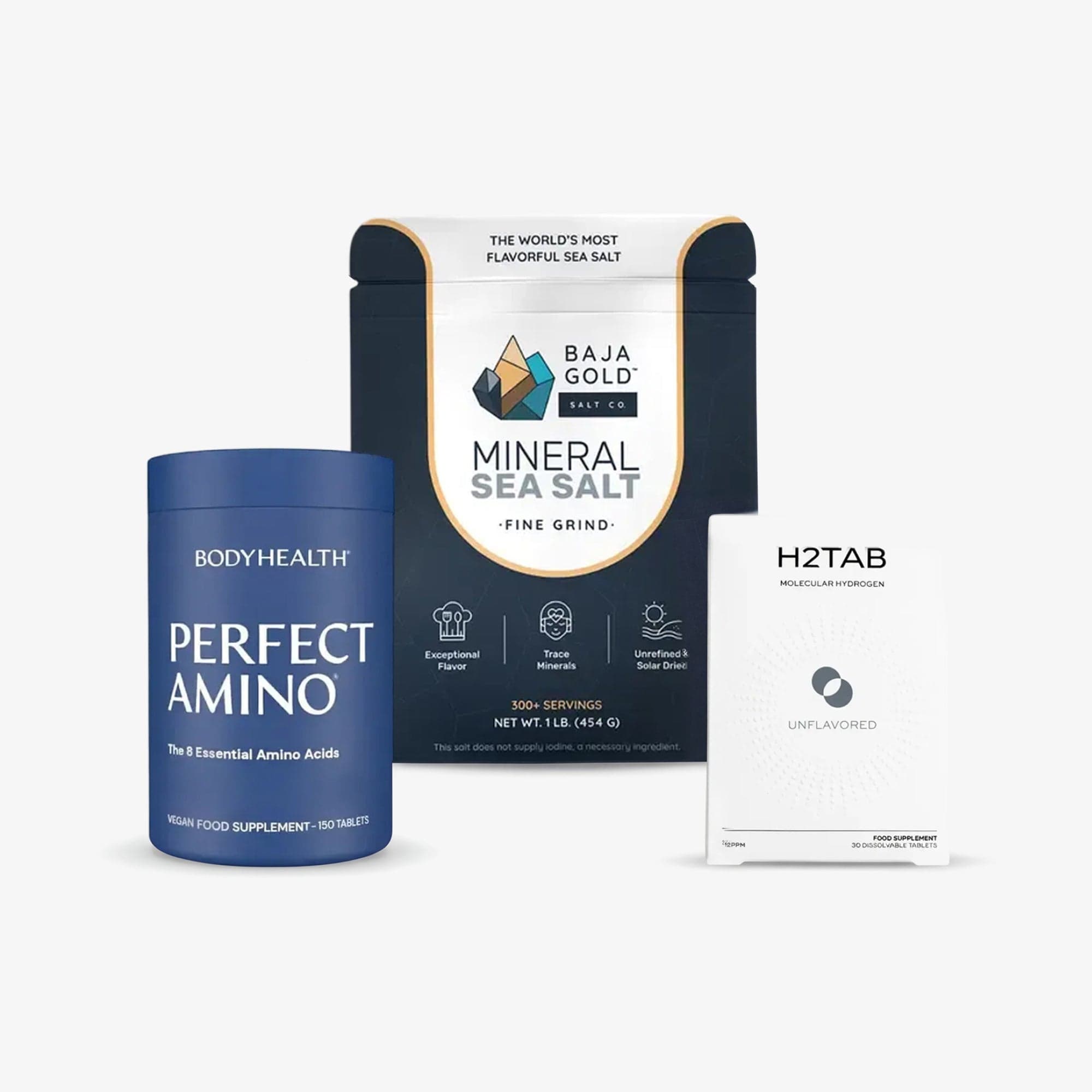
You already take all three. You're probably using the wrong form of each.
Amino acids, electrolytes, an antioxidant — you cover them. The question is whether the form you use actually gets used.
You don't have an energy problem. You have a conversion problem.
The B vitamin question most people get wrong — and why "active forms" actually matter.

Creatine For Women: What To Know Before You Start
Experts explain the benefits of creatine for women, including better mood, more strength, and less fatigue. Here's the science.