The Protein Intake You Need To Support Your Exercise
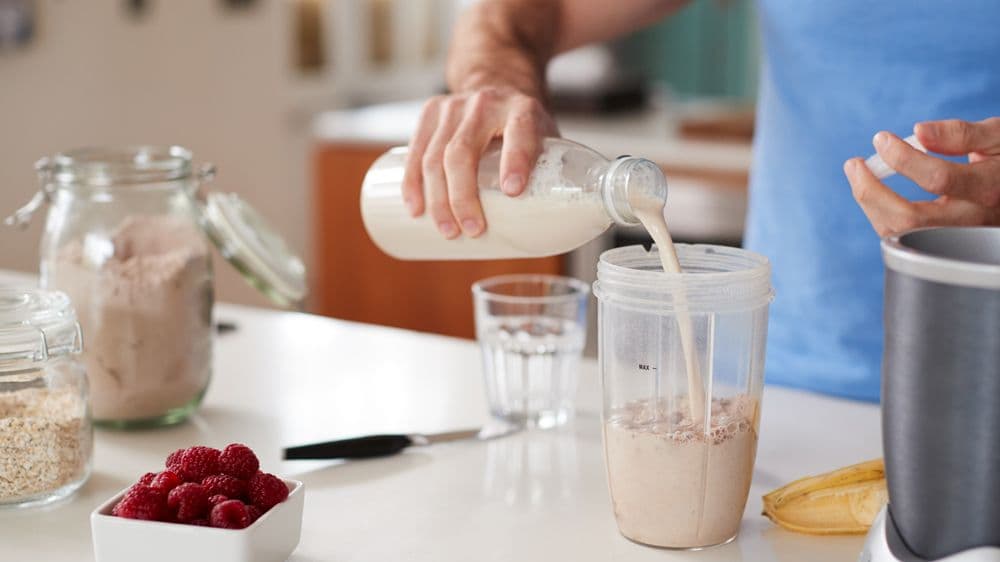
The beginning of the year often sees the pursuit of a healthy lifestyle in full swing. It's not just about moving more to hit those fitness goals; it's also about eating the right foods. One of the key nutrients often overlooked is protein – a vital factor in supporting and maximising the benefits of your workouts. Here’s a dive into protein and how it can elevate your exercise routine.
Written by Sarah Gilbert @the.pilatesnutritionist
The role of protein
Protein - our muscles love it and our body thrives with it. If there is one thing to take away from this blog, it’s that protein is key. We couldn’t talk it up anymore if we tried.
Beyond its role in post-exercise recovery, protein stands as the essential building block for maintaining and enhancing various bodily functions. It helps form and repair body tissues, build and repair muscles, skin and bones. Protein helps your body use energy and carry out important cell and hormone functions. It also protects you from getting sick by keeping your immune system in top shape.
Protein to fuel your fitness
Strength training exercise stimulates muscle protein synthesis (MPS) and so does protein consumption. During intense workouts where we fatigue our muscles, micro-tears in the muscle tissues occur. Overtime as our muscles are continuously exposed to a stimulus that creates these tears, our muscles repair and get a little bigger and stronger. The protein we consume helps with muscle protein synthesis and post exercise recovery.
Those aiming to build muscle should focus on distributing their protein intake consistently across meals and snacks throughout the day. Research suggests that MPS is more effective when high quality protein is consumed evenly throughout the day, compared to, say, minimal protein in the morning, a bit more at lunch, and a large amount at dinner. To maximise protein synthesis, aim to consume around 20-30g of protein in each meal.
How much protein do I need?
The recommended daily intake for protein is a minimum of 0.8g per kg of body weight. However, if you’re moderate to high active, your protein needs increase - aim for 1.2-1.6g per kg body weight if you fit into this category.
*Consulting with a nutritionist or healthcare professional can provide personalised guidance to meet specific needs and goals.
Where do I get protein?
Opt for high quality, lean sources of protein. Animal and plant based foods are both great sources:
- Poultry (chicken, turkey, pork)
- Lean cuts of red meat such as beef, lamb
- Fish & seafood (e.g salmon, tuna, prawns)
- Eggs
- Dairy (milk, yogurt, cheese)
- Beans and lentils (e.g black beans, chickpeas, edamame)
- Tofu & tempeh
- Quinoa
- Nuts & seeds (e.g almonds, walnuts, chia seeds, hemp seeds)
- Wholegrains (e.g grown rice, oats)
- High quality protein powders
Tips to Boost Your Protein Intake:
- Protein-rich breakfast: kickstart your day with protein-rich options like eggs, Greek yogurt, or a protein smoothie. Long lasting energy, stable blood sugars before the day begins.
- Protein rich toppings: a simple way to boost your daily protein intake. Try adding things like nut butter to your oats, yoghurt, smoothies or toast, sprinkle nuts, seeds or crunchy roasted chickpeas to your salads
- Snacks: opt for protein-rich snacks to curb hunger and support muscle recovery throughout the day.
- Supplements: if meeting your protein goals through whole foods is challenging, consider protein supplements like whey or plant-based protein powders.
Protein Myths and Facts:
A quick word on some of the protein myths out there. Protein is for everyone, not just the gym buffs. It's the building block for strong and healthy bodies. Let’s also debunk the myth that more protein automatically means more muscles - not exactly. Your body has a limit to how much protein it can use, so eating excessive amounts won't magically turn you into a bodybuilder. Lastly, protein doesn’t only come from meat - there are plenty of plant-based sources like beans, nuts, and tofu that pack a protein punch, as well as providing you with gut loving fibre, essential vitamins and minerals. Time to let go of these myths and embrace the power of protein.
To wrap up, embracing the positive impact of protein on your exercise routine is a step towards achieving your fitness goals. Whether you're an avid gym goer or just starting your fitness journey, making protein a priority ensures that your body has the necessary tools to thrive.
Further reading: Are You Overtraining And Under-Eating?
Further reading: What To Drink Before, During And After A Workout
Further reading: Winter Workout Tips With Nick Butler