
Should I Be Icing My Balls?
The internet’s latest fertility hack claims that icing your balls can boost testosterone and sperm quality, but fertility expert Natasha Evans explains why science says otherwise and what really works.

It’s the kind of phrase that could only have been born on the internet… icing your balls. A quick scroll through TikTok or a glance at certain men’s health forums, and you’ll find countless posts claiming that applying ice or cold water to the testicles can supercharge testosterone, improve sperm quality and even aid recovery after workouts.
It’s equal parts comedy and curiosity, but like most viral wellness hacks, we’re all wondering if there’s any truth beneath the shock factor. The logic goes something like this… since testicles naturally hang outside of the body to stay cooler than your core temperature, keeping them extra cool must mean better fertility and hormone function.
It’s a simple theory, but like most things in biology, the reality is far more nuanced. To separate Healf from hype, we quizzed Natasha Evans, fertility specialist and founder of The Fertility 360 Method®, who spends her days working with men looking to improve reproductive health and hormone balance.
Where did the “icing” trend come from?
According to Natasha, the origins of this trend are rooted in a misinterpretation of legit science. “This trend is likely a response to two things that are true,” she says. “Firstly, the testes hang outside of the body for a reason. They’re meant to be about 2-3°C cooler than a man’s main body temperature and this lower temperature provides the perfect environment for sperm production. Secondly, we know that heat exposure to the genitals (like saunas, hot tubs, fevers, laptops-on-lap) can impair semen quality.”
That much is solid physiology. Sperm production (or spermatogenesis) is highly temperature-sensitive. But Natasha points out that this online logic has skipped a few crucial things. “It seems like the ‘icing the balls’ trend is likely a result of these two bits of evidence, but unfortunately we don’t actually have any evidence that icing your testicles boosts fertility or testosterone. The evidence supports avoiding overheating, not routinely applying ice to the testicles.”
In other words, yes… overheating can damage sperm. But that doesn’t mean freezing them makes things better.
The science of temperature and male fertility
The human body is impressively self-regulating. “Spermatogenesis works best around 2-4°C below core body temperature,” Evans explains. “Men have several mechanisms to regulate this, including the scrotum, sweat glands, and the dartos and cremaster muscles, which move the testes closer or further from the body. There’s also a counter-current heat exchange in the spermatic cord — all of which help keep them cooler.”
That system is pretty delicate and small changes can make a big difference. “When testes are warmed (for example by a varicocele, prolonged sitting, tight clothing or hot environments) sperm number, motility, morphology and DNA integrity can worsen,” she says. “Even a one or two degree increase in testicular temperature can impair sperm quality.”
So while the basic concept of keeping things cool has some scientific roots, it’s the method and degree of cooling that actually matters.
The truth about cooling and testosterone
The online story often pairs sperm health with testosterone levels, but the two, while related, respond differently to stress and temperature.
“Evidence for therapeutic scrotal cooling is limited to small, older studies in specific subgroups,” says Natasha. “Nocturnal periscrotal air-cooling (0.8-1°C drop) for 8-12 weeks improved sperm concentration and total count more than motility or morphology in men with heat-related infertility. These were not large, modern RCTs and pregnancy outcomes weren’t robustly tested.”
In other words, these trials hinted that mild, consistent cooling (not extreme cold) might support sperm production in very specific cases of heat-induced infertility. But it’s a far cry from the ice packs, cold plunges and “frozen peas” experiments trending online.
When it comes to testosterone, Natasha is clear. “There’s no good evidence that ice baths or spot-icing raise testosterone meaningfully. Some sport studies show mixed, transient changes and cold-water immersion after lifting can even blunt the normal post-exercise testosterone rise.” This means that the “boost” some men think they’re getting may actually backfire in the long term… especially if used after training sessions where that natural post-exercise hormonal spike is beneficial. Natasha does also add, "this doesn't mean that ice baths are bad news for testosterone or sperm quality necessarily, just that more research is needed before we make any big claims."
Can too much cold instead be causing damage?
While it’s tempting to think more cold equals more benefit, Natasha also warns that excessive or improper use can quickly become harmful. “There are rare reports of improper ice application injuring skin and causing scrotal skin necrosis or frostbite,” she says.
The skin of the scrotum is thin, vascular and sensitive meaning it’s not designed for direct or prolonged contact with ice or extreme cold. Even short exposures can reduce blood flow, cause pain or inflammation and potentially harm the very tissues men are trying to protect. So if your goal is better fertility or recovery, that kind of damage is counterproductive.
Smarter ways you can protect your sperm health
Rather than turning to shock-based biohacks, Natasha instead focuses on smarter, safer habits that support testicular temperature naturally. “I advise my clients to avoid lifestyle factors that can increase testicular temperature but do not promote excessive testicular cooling as such,” she explains.
Her practical advice is refreshingly real:
- No laptops on laps or phones in front pockets.
- Avoid frequent saunas and hot baths as they increase testicular temperature more than saunas.
- No cycling for more than five hours per week as significant decreases in sperm quality are seen past this point. ,
- Move regularly as being sedentary increases testicular temperature.
- Use your heated car seats sparingly.
- Avoid synthetic or super-tight underwear/trousers as the muscles need room to move the testicles further from the body to keep them cool.
If you’re trying to conceive, timing matters. “Sperm take roughly three months to mature, so a period of three months of supporting testicular health and sperm quality is crucial in fertility,” says Evans. “Any damage done to sperm due to testicular heat can also be reversed in most cases, from three months of intervention.”
She also highlights that while some activities (like saunas or cycling) can temporarily lower fertility, their effects aren’t permanent. “Note that there are lots of benefits of saunas and cycling for men, but if they’re planning on trying for a family, they need to restrict these activities for at least three months prior to conception.”
The bigger picture: Lifestyle and modern fertility
“Temperature is one modifiable factor, but day-to-day lifestyle is just as important,” says Natasha. “Diet quality (particularly an antioxidant-rich diet), quality sleep, low stress levels, moderate exercise, a healthy BMI and low toxic exposure are all crucial to sperm quality and this is backed up by the scientific evidence.”
She also points to environmental stressors as a growing concern. “I think the research around modern-day toxins and male fertility is particularly fascinating,” she says. Chemicals found in plastics, cleaning products, and grooming items (known as endocrine disruptors) are increasingly being linked to lower sperm counts and altered hormone levels in men.
So while an ice pack might grab headlines, the more impactful changes are often less dramatic and more sustainable… like swapping your plastic water bottle, improving your diet or simply getting better sleep.
How to actually support fertility and hormone health
For those genuinely looking to optimise fertility or testosterone, Natasha recommends focusing on evidence-based habits that support long-term reproductive health. Instead, she suggests three key areas to start with:
- Skip activities and lifestyle factors that increase testicular temperature.
- Eat a nutrient-dense diet packed with antioxidants like zinc, vitamin E, vitamin C, selenium, CoQ10 and L-carnitine. Antioxidants help to reduce oxidative stress in our cells, which can damage sperm.
- Reduce your toxic exposure. Cutting out smoking, reducing alcohol consumption, reducing exposure to plastics and switching to less toxic toiletries and cleaning products would be a great place to start.
The key message? Small, consistent changes to everyday habits are the most effective and far less risky than anything involving ice cubes.
Why trends like this keep coming back
From “testosterone-boosting” diets to red light therapy for sperm health, men’s wellness has become a booming industry and of course social media is amplifying every new hack with viral intensity.
That’s partly because the conversation around male fertility is finally opening up. The World Health Organization estimates that male factors contribute to infertility in up to 50% of couples yet many men still find the topic taboo. That gap in education and openness creates fertile ground for quick fixes and questionable advice. As Natasha rightly says, “People often hear one bit of truth, like heat can harm sperm, and turn it into a whole wellness movement but the science is never that simple.” The growing curiosity is a good thing though. “If trends like this get more men thinking about their health, then that’s positive as long as it’s followed by accurate information,” she adds.
The bottom line
Despite the memes and marketing, there’s no scientific reason to start icing your balls and plenty of reasons not to. As Natasha says, avoid excessive heat, support your body through good nutrition and lifestyle and give yourself a few months of healthy habits before trying to conceive. That’s what makes the real difference.
So before you brave the freezer aisle, consider this: your fertility and hormone health are complex, adaptive systems, not something that can be hacked in a single blast of cold. The smartest thing you can do is far simpler - sleep well, eat well and maybe try to keep your underwear breathable.
Further reading: The Best Testosterone Booster: What Works (And What Doesn’t)
Further reading: The Testosterone Connection: Habits That Really Move The Needle
Further reading: Biohacking The Clock Change: How To Reset Your Rhythm This Autumn
Further reading: What’s Causing An Epidemic Of Low Testosterone?
Editorial note: this article is for informational purposes only and is not a substitute for professional medical advice.
- Jung A, Eberl M, Schill WB. Improvement of semen quality by nocturnal scrotal cooling and moderatebehavioural change to reduce genital heat stress in men with oligoasthenoteratozoospermia.Reproduction. 2001 Apr;121(4):595-603. doi: 10.1530/rep.0.1210595. PMID: 11277880. 2. Earp JE, Hatfield DL, Sherman A, Lee EC, Kraemer WJ. Cold-water immersion blunts and delaysincreases in circulating testosterone and cytokines post-resistance exercise. Eur J Appl Physiol. 2019Aug;119(8):1901-1907. doi: 10.1007/s00421-019-04178-7. Epub 2019 Jun 20. PMID: 31222379. 3. Beiko D, Pelletier-Carson K. Ice pack induced scrotal skin necrosis following vasectomy. Can J Urol.2010 Feb;17(1):5028-30. PMID: 20156387. 4. Yefim Sheynkin, Michael Jung, Peter Yoo, David Schulsinger, Eugene Komaroff, Increase in scrotaltemperature in laptop computer users, Human Reproduction, Volume 20, Issue 2, February 2005, Pages452-455, https:/doi.org/10.1093/humrep/deh616 5. Garolla A, Torino M, Sartini B, Cosci |, Patassini C, Carraro U, Foresta C. Seminal and molecularevidence that sauna exposure affects human spermatogenesis. Hum Reprod. 2013 Apr;28(4):877-85. doi:10.1093/humrep/det020. Epub 2013 Feb 14. PMID: 23411620. 6. Shefi S, Tarapore PE, Walsh TJ, Croughan M, Turek PJ. 2007. Wet heat exposure: a potentiallyreversible cause of low semen quality in infertile men. Int Braz J Urol. 33(1):50-56. discussion 56-57. 7. Maleki BH, Tartibian B (2015); Long-term low-to-intensive cycling training: Impact on semen parametersand seminal cytokines. Clin J Sport Med 25: 535-540 8. Maleki BH, Tartibian B, Vaamonde D (2014); The effects of 16 weeks of intensive cycling training onseminal oxidants and antioxidants in male road cyclists. Clin J Sport Med 24: 302-307 9. Gao, Y., Wang, C., Wang, K., He, C., Hu, K., & Liang, M. (2022). The effects and molecular mechanismof heat stress on spermatogenesis and the mitigation measures. Systems Biology in ReproductiveMedicine, 68(5-6), 331-347. https://doi.org/10.1080/19396368.2022.2074325 10. Gao, Y., Wang, C., Wang, K., He, C., Hu, K., & Liang, M. (2022). The effects and molecular mechanismof heat stress on spermatogenesis and the mitigation measures. Systems Biology in ReproductiveMedicine, 68(5-6), 331-347. https://doi.org/10.1080/19396368.2022.2074325 11. Garolla A, Torino M, Sartini B, Cosci |, Patassini C, Carraro U, Foresta C. Seminal and molecularevidence that sauna exposure affects human spermatogenesis. Hum Reprod. 2013 Apr;28(4):877-85. doi:10.1093/humrep/det020. Epub 2013 Feb 14. PMID: 23411620.
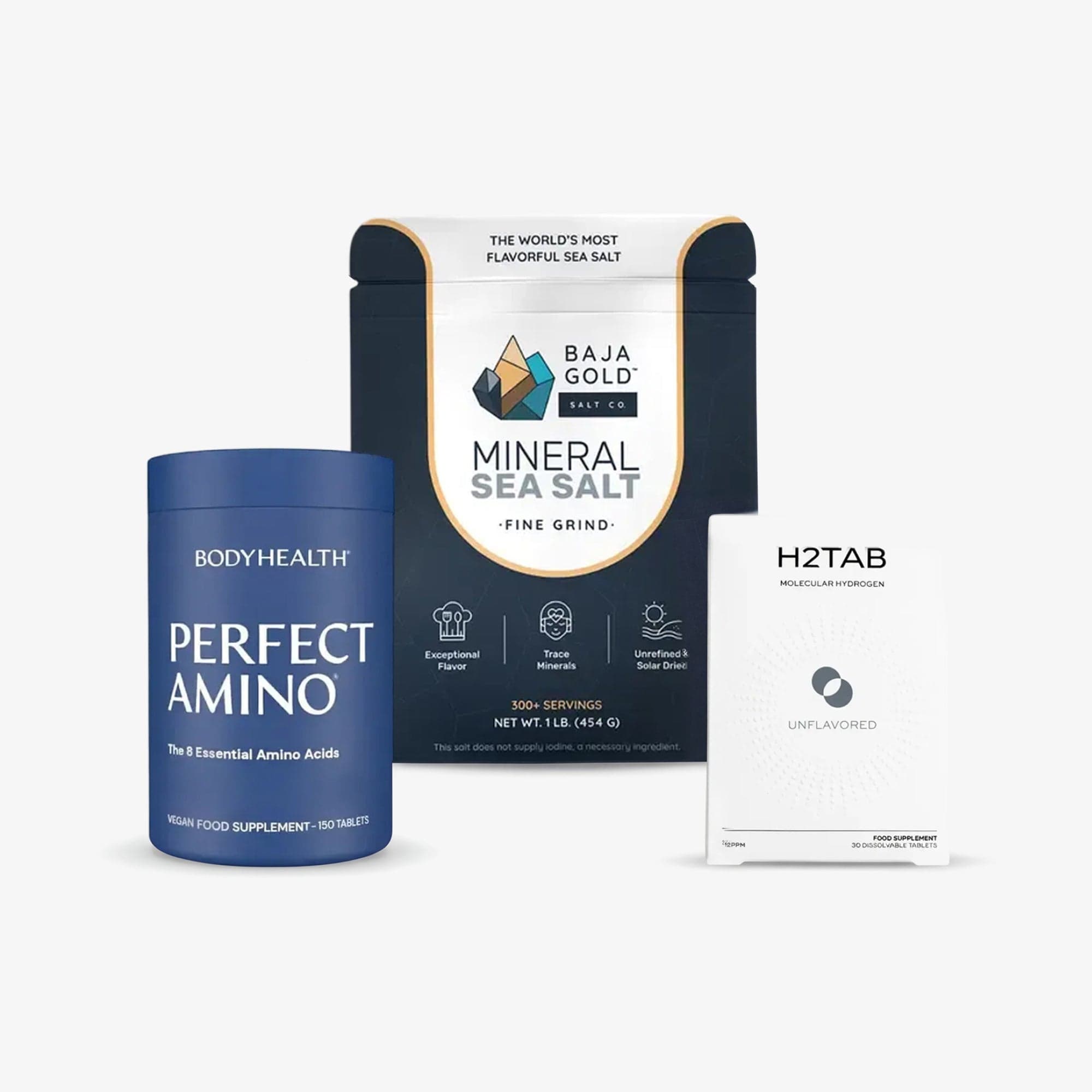
You already take all three. You're probably using the wrong form of each.
Amino acids, electrolytes, an antioxidant — you cover them. The question is whether the form you use actually gets used.
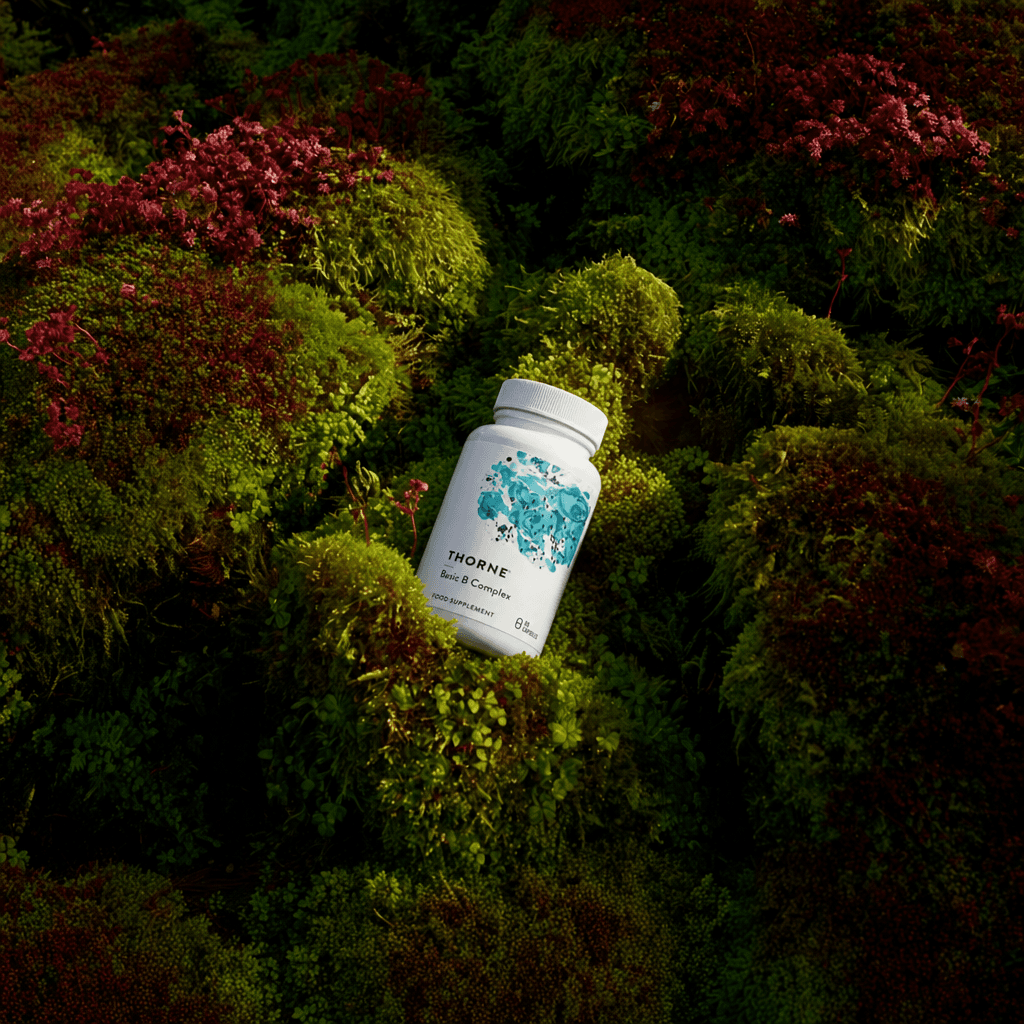
You don't have an energy problem. You have a conversion problem.
The B vitamin question most people get wrong — and why "active forms" actually matter.
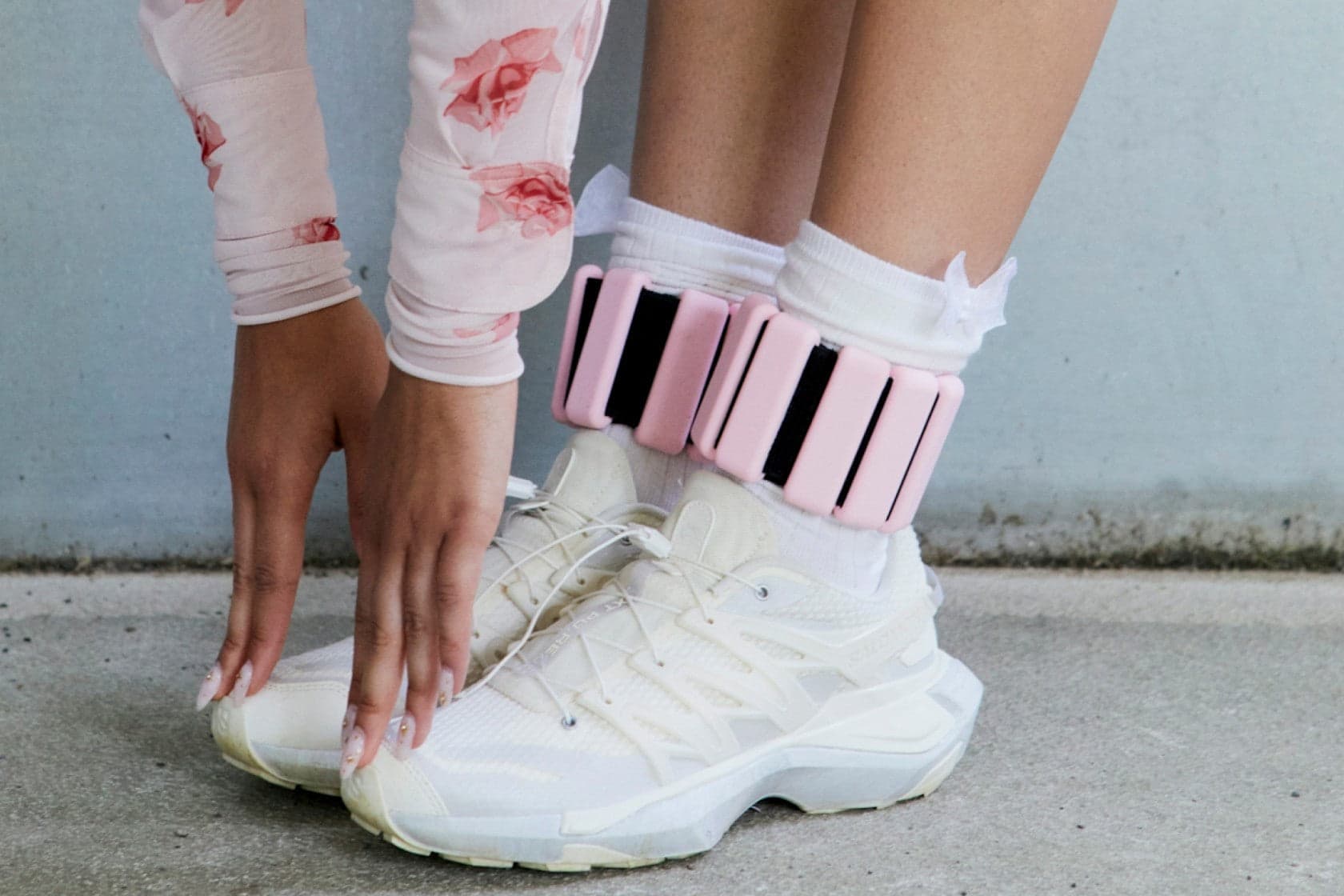
Creatine For Women: What To Know Before You Start
Experts explain the benefits of creatine for women, including better mood, more strength, and less fatigue. Here's the science.