
Is the Viral Tiramisu Chia Recipe Actually Healthy?
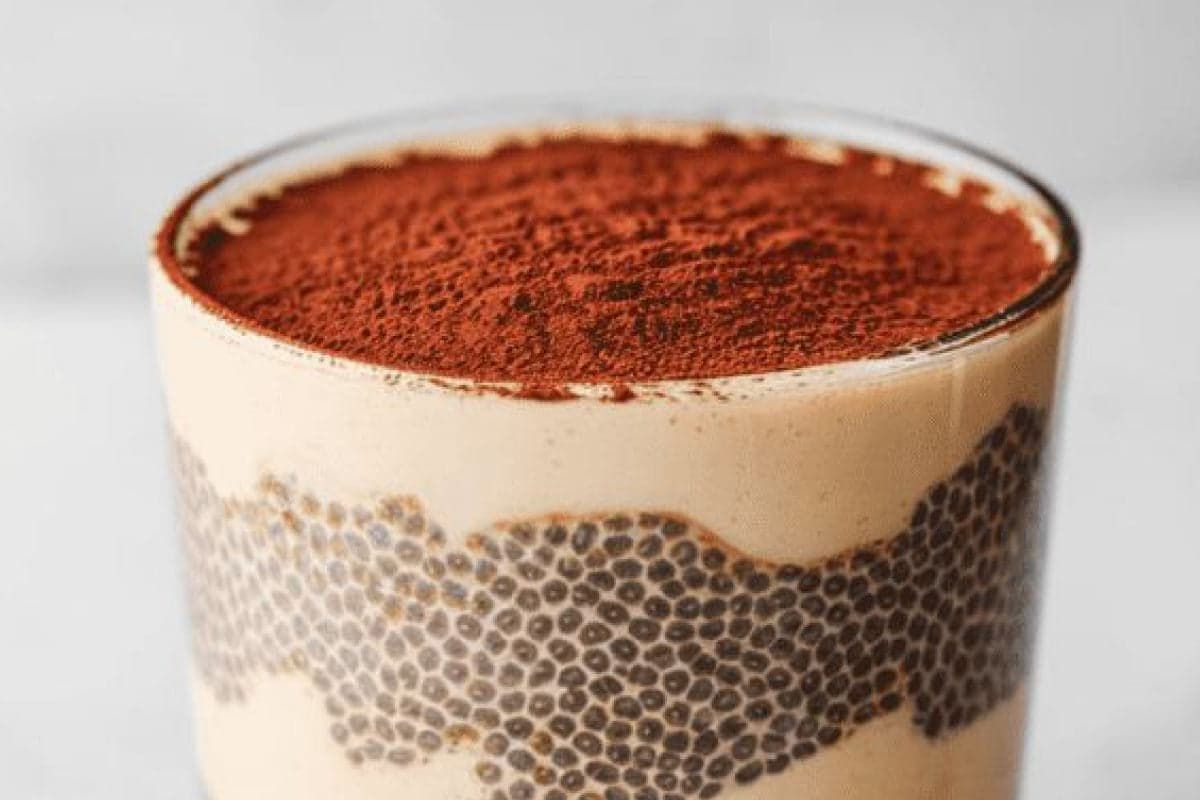
Viral recipes are everywhere, from baked oats to green goddess salads, and now, the tiramisu chia pudding is having its moment in the spotlight. Promising indulgence with a healthy twist, this pudding claims to merge the rich flavours of tiramisu with the benefits of chia seeds. But how healthy is it really? Nutritionist Clarissa Lenherr weighs in to provide expert insights.
Nutritional value of the viral recipe
According to Clarissa Lenherr, this tiramisu chia pudding delivers a solid nutritional profile, with standout ingredients like chia seeds, cacao powder, and high-protein yoghurt.
- Chia Seeds: These are an excellent source of omega-3 fatty acids, which support brain function, reduce inflammation, and promote heart health. Chia seeds are also packed with fibre, delivering 10g per serving, which aids digestion, helps regulate blood sugar levels, and promotes satiety.
- Cacao Powder: “Cacao is one of the most delicious ways to get magnesium,” Lenherr says. Magnesium is essential for energy production, muscle relaxation, and stress management. Additionally, cacao contains antioxidants like flavonoids that combat free radicals and support heart health.
- High-Protein Yoghurt: This adds roughly 24g of protein per serving, which is vital for muscle repair, satiety, and stable energy levels throughout the day.
Coffee content of the Tiramisu Chia Recipe
The recipe contains one shot of coffee, approximately 65mg of caffeine. While this isn’t excessive, Lenherr advises caution if you’re consuming other sources of caffeine throughout the day, as it could push you over the recommended 400mg daily limit.
“For people sensitive to caffeine or those experiencing high stress, caffeine can heighten cortisol production, the body’s primary stress hormone, which may increase feelings of anxiety or restlessness,” Lenherr explains. Consuming caffeine late in the day may also interfere with sleep, delaying deep sleep onset and impacting stress recovery.
Lenherr suggests swapping regular coffee for high-quality decaf, such as Exhale coffee, to enjoy the flavour without the stimulating effects.
Does the recipe help or hinder blood sugar?
The recipe includes 10ml of maple syrup, which adds approximately 9g of sugar. While pairing it with protein, fat, and fibre may help to stabilise blood sugar, Lenherr recommends reducing the sugar content further:
“Substituting half or all the maple syrup with natural sweeteners like stevia or monk fruit is a great way to cut down sugar. You can also add cinnamon and vanilla extract to enhance natural sweetness without compromising flavour.”
At around 24g of protein per serving, this recipe provides a good start for a breakfast meal. Lenherr recommends aiming for 20–30g of protein per breakfast and suggests ways to increase the protein content:
“To boost protein, add a scoop of protein powder or sprinkle hemp seeds on top,” she advises.
Lenherr suggests considering portion sizes based on whether you’re enjoying this as a dessert or breakfast:
- Dessert: “A half portion would be a good place to start, as otherwise it could feel too heavy,” Lenherr says.
- Breakfast: “If you reduce the sugar content, the full serving makes a balanced breakfast. Alternatively, pair half a portion with extra high-protein yoghurt for added nutrition.”
Healthy ingredient swaps
Clarissa Lenherr highlights several ways to make this recipe healthier without losing its appeal:
- Coffee: Replace regular coffee with Exhale decaf coffee.
- Cacao: Use unsweetened cacao, such as Cocoa Powder Blueprint.
- Sweeteners: Swap maple syrup for stevia or monk fruit sweetener, or use a protein powder sweetened with stevia.
- Milk: Choose plant-based milk like Plenish Almond Milk. For a vegan version, use almond or soy yoghurt, though this may reduce the protein content.
- Boosters: Add 2 tbsp of Ancient and Brave collagen for collagen and protein, or ½ tsp of partially hydrolysed guar gum (PHGG) for extra fibre.
This recipe is naturally gluten-free and can be adapted for various dietary restrictions:
- Vegan: Use plant-based yoghurts like soy or almond.
- Low-Carb: Reduce or omit maple syrup and ensure cacao powder is unsweetened.
- Low-Sugar: Replace maple syrup with stevia or monk fruit sweetener.
How to make viral recipes, healthy
Lenherr offers some general advice for making viral recipes healthier:
“Use a nutritional tracking app like MyFitnessPal to assess macronutrient and sugar content. Many viral recipes that claim to be ‘healthy’ can be low in fibre or protein and surprisingly high in sugar, even if natural sweeteners are used.”
Lenherr also suggests making small, impactful swaps: “Reduce added sugars, boost protein with high-protein yoghurt or protein powder, and increase fibre by adding toppings like nuts or seeds. Lastly, be mindful of portion sizes, as viral recipes often showcase servings that are larger than what’s necessary for a balanced diet.”
Is the viral recipe healthy - what's the verdict?
The tiramisu chia pudding is a nutrient-dense recipe with great potential as a breakfast or dessert. By incorporating Lenherr’s recommendations—reducing sugar, using decaf coffee, and boosting protein and fibre—it can become a healthier, more balanced option for a range of dietary preferences.
As Lenherr concludes, “With a few mindful tweaks, this viral treat can be both delicious and genuinely healthy.”
Further reading: A Healf Adaptation To Bryan Johnson’s Nutty Pudding: A Blueprint Recipe For Optimised Nutrition
Further reading: You Don’t Have To Ditch Coffee: Just Ensure You’re Doing This.
Further reading: Feta-Stuffed Dates Wrapped In Organic, Nitrite-Free Bacon
Further reading: A Wellbeing Practitioners Longevity Chocolate Mousse

Nutritious Peptide Pancake Recipe That Packs A Metabolic Punch
This healthy breakfast recipe uses collagen supplements, flax, and oat flour to power a peptide-filled pancake. Ingredients needed and how to make it.

A Nootropic Sex Tonic That Gets You In The Mood
This recipe, which uses ingredients that support arousal, circulation, and sensuality, will help increase libido and ease sleep onset. Here’s how to make it.

Functional Pumpkin Spice Recipe: Kabocha Squash With NeuroGum Cinnamon Flavour
Seasonal eating meets smart energy. A pumpkin spice recipe with Kabocha squash and NeuroGum cinnamon for flavour, antioxidants and immune support in every bite.