How To Beat Hay Fever Naturally
Natural solutions can fight hay fever by working on the immune system and detox pathways to prevent inflammation and histamine production. Find out more.
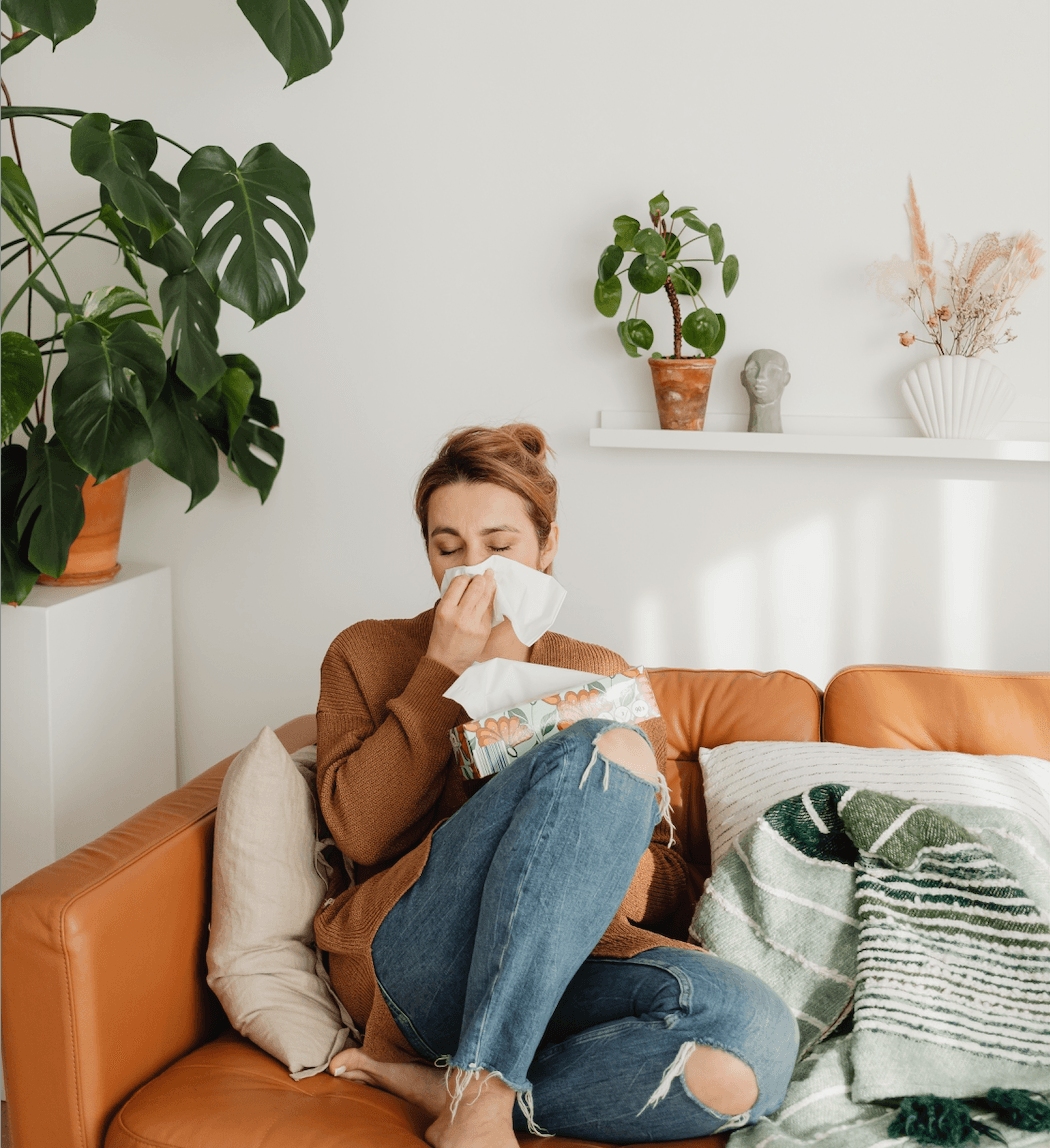
For some, longer, spring days mean blue skies, beautiful blossoming plants, and after-work aperol spritzes. But for others, it means streaming noses, itchy eyes and that irritating scratch at the back of your throat that you just can’t quite shift. This year, it feels like hay fever symptoms are worse than ever.
The majority of people who suffer from these allergies tend to run to the chemist for quick, antihistamine-induced relief, but this desperation means we don't often consider the possibility that there are other options out there that don't have frustrating side effects, like drowsiness and brain fog. Additionally, the medicines and quick fixes don't usually address the problem; they simply cover up symptoms. Natural solutions, by contrast, can work on the biological mechanisms behind the symptoms, like your immune system and detox pathways, to prevent excessive inflammation and histamine production so you can actually enjoy the beautiful spring weather.
How does my diet affect my histamine levels?
Your diet can affect your immune system, gut, and inflammation levels, all of which can play a role in hay fever symptoms. When your body is already producing to much histamine, a diet that is rich in high-histamine foods, like aged cheese, cured meat, and fermented products, can make your symptoms even worse. Of course, it's almost impossible to avoid all histamines in foods, but cutting back can help.
One nutrient, a digestive enzyme called Diamine Oxidase (DAO), seems to support the breakdown of histamine in the body and help relieve symptoms. Foods rich in DAO include things like legume sprouts, organ meats, and certain oily fish.
Which foods contain histamine?
A surprising number of foods actually contain histamine, which could worsen your symptoms if consumed in large quantities. If you're able to reduce these, it's worth experimenting to see if they help, recognising that everyone's results may vary:
- Alcohol - especially fermented drinks such as wine, champagne, cider, and beer
- Coffee and tea
- Dried fruit
- Fermented foods include cheeses, vinegars, pickles, kimchi, preserves, miso, soy sauce, and tamari.
- Aged and smoked meats – salami, smoked salmon, anchovies etc.
- Leftovers – the older the food, the more histamine
- Citrus fruits
- Dark chocolate and cacao
- Ripe fruits such as banana and avocado
- Strawberries, cherries, tomatoes, aubergine and spinach
What are some natural antihistamine vitamins and minerals I can take?
Many foods, especially those rich in quercetin (an antioxidant believed to inhibit the release of histamine) and Vitamin C (an anti-inflammatory immune system booster) can act as natural antihistamines. Some of these, you can get in generous quantities through your diet. Others, you may want to consider supplementing, especially during allergy season.
Here is a list of vitamins, minerals, and nutrients that could help:
- Vitamin C: a natural antihistamine and immune-supporting antioxidant that is found in fruit & veggies.
- All colourful fruits and vegetables: especially red onions and apples with skin. Be careful to avoid high-histamine fruits and veggies listed above.
- Zinc-rich foods: vital for regulating histamine activity. Think sunflower seeds, poultry, fresh oily fish.
- Quercetin: Found in red onions, apples, green tea & berries, this is an antioxidant that can help reduce inflammation & histamine release.
- Magnesium-rich foods: fresh nuts and seeds, broccoli, watercress, cabbage, chickpeas.
- Anti-inflammatory foods: these could include ginger, garlic, turmeric, and olive oil.
For some, higher doses of quercetin, zinc, magnesium, vitamin C can also be taken as a supplement to really increase your levels.
How does my gut health have an impact on my hay fever?
Supporting the gut inherently supports immunity, because the two systems are intertwined and work together to create a broader picture of our health. And avoiding excess buildup of histamine in the body is essential for managing hay fever symptoms.
Daily bowel movements help us naturally detox. So, making sure you're getting enough fibre, first in your diet and with a supplement if necessary, is a great place to start. Similarly, keeping gut bacteria healthy with a high quality pre/probiotic can suppport your gut health and overall immunity, too.
Our favourite natural hay fever relievers:
From powerful flavonoids to potent enzymes, these natural solutions have been tried and test. And best of all, you won't need a prescription for them.
- Vimergy Organic Nettle: For centuries, people have been using nettle as an herb that can ease allergies and hay fever symptoms.
- Thorne Vitamin D: Liquid drops that are powered by vitamin D3 to modulate immune responses to allergens.
- Allergyzme Designs For Health: This blend will help modulate your histamine response.
- Beekeeper's Naturals Propolis Liposomal & Vitamin C:
- Quicksilver Scientific Immune Charge+Throat Spray
- Pure Encapsulation Quercetin: Quercetin, a plant-blased flavonoid, helps modulate histamine in your body and calm inflammation.
- Molekule Air Pro With PECO Filter: This powerful filter, which is fitted with PECO technology, will help get rid of pollen molecules in your home so you can breathe easier.
Five quick hay fever hacks:
In hay fever season, you'll likely encounter irritating pollen outside of your home, whether you're just trying to enjoy some sunshine with friends and family or simply commuting to the office. While there is no such thing as a quick fix, here are a few more of our tips and tricks for navigating allergy season:
- Have a morning probiotic to support immune response.
- Try nasal breathing to filter allergens before they reach your airways and boost nitric oxide production.
- Run a HEPA filter to eliminate hidden pollen that may be floating around in your home.
- Snack on berries for a good dose of anti-inflammatory flavonoids.
- Sip some matcha to stabilise limit histamine reaction. It's a natural anti-histamine and can help calm symptoms.
- Dab some organic tallow balms around your nostrils, eyes and mouth to help trap pollen particles before they enter your airways. Make sure to pick a high-quality balm and be aware it can irritate some people's skin.
- Incorporate herbs like liquorice root, chamomile, and nettle into your tea. You can pop them in a flask to take to your park picnic and add some raw local honey for an extra boost.
Further reading: An Iced Tea Recipe To Tackle Hay Fever
Further reading: A Zesty Morning Smoothie To Help With Heavy Metal Detoxing
Further reading: Nutritious Peptide Pancake Recipe That Packs A Metabolic Punch
A Runner’s Guide To Energy Gels: Timing, Tolerance And Top Picks
Healf's ultimate guide to energy gels for runners, including our top picks and favourite tips.
Should We Be Exercising Our Brain?
Brain training can be a transformative tool with applications across mental health, productivity, and even healthy ageing. Here's how to do it.

Is 5g Of Creatine Really Enough?
For decades 5g a day was the gold-standard for creatine. But new research is suggesting you need more for brain health, sleep, and mental recovery.