
All About Ashwagandha: Supplements And Benefits Guide
Stress relief and increased energy are some of the top benefits of ashwagandha. Here’s how to find the best ashwagandha supplements.
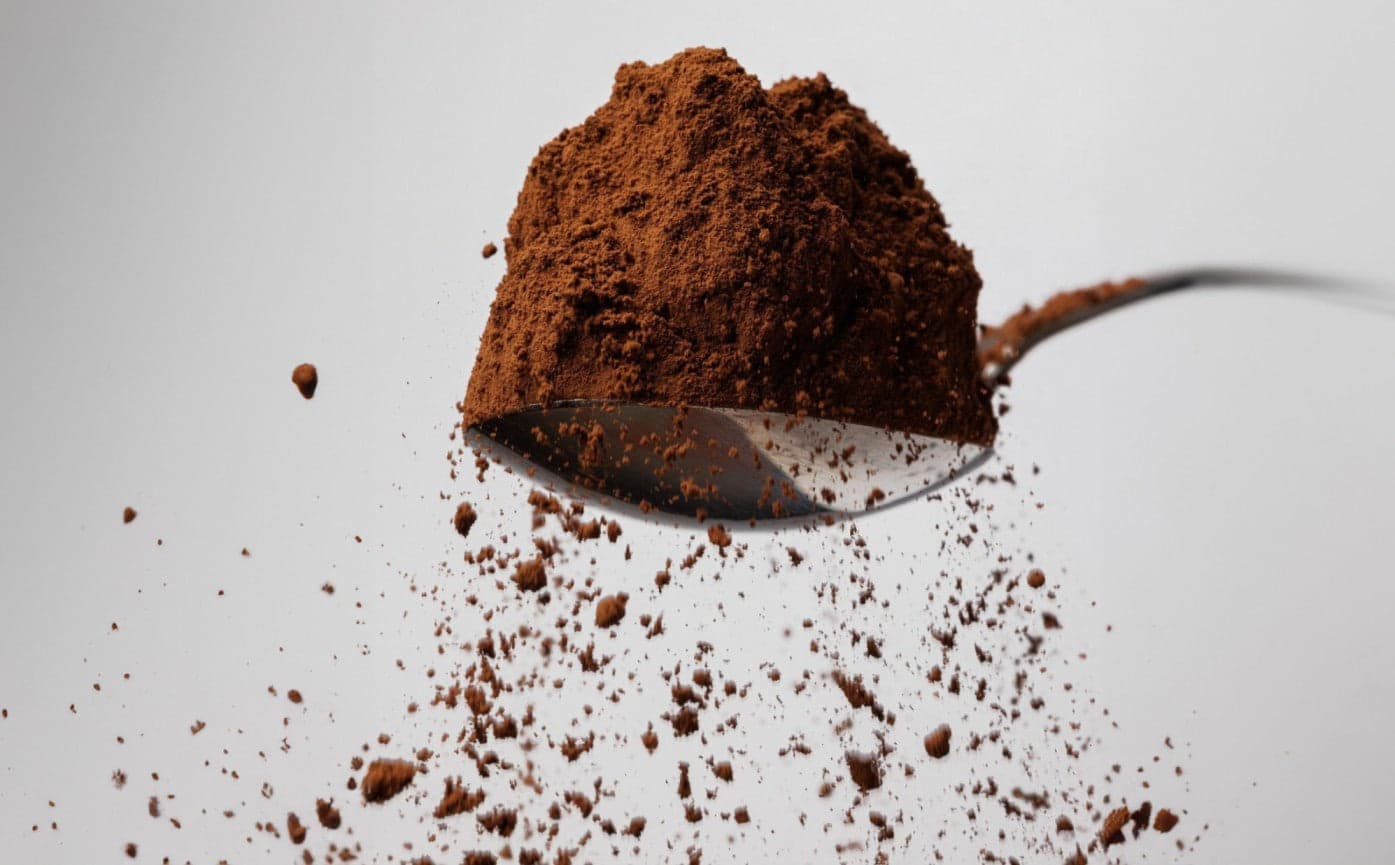
Stressed, sleepless, or just feeling off? Ashwagandha might be the ancient herbal remedy that helps bring your body—and mind—back into balance. Still, there are some important considerations when looking for the best ashwagandha supplements on the market. We’ll break it down for you.
If you’ve been scrolling TikTok, Instagram, or tuning into your favourite wellness podcast, chances are you’ve heard someone rave about the best ashwagandha supplements for stress relief, mental clarity, better sleep, or hormone support. My feed is packed with influencers and even medical pros talking about this ancient adaptogenic herb like it’s the ultimate modern-day cure-all.
And honestly? I get the hype. In a world where stress is high and quality sleep is low, it’s no surprise that people (myself included) are looking for natural ways to feel more balanced—and ashwagandha, which has been a staple in Ayurvedic medicine for centuries, is having a serious moment.
If you’re like me, your curiosity is piqued—but you also want to know if ashwagandha actually works, how to take it, and which supplements are truly worth your money.
So I did the research (and even interviewed an expert in the field) to bring you this guide. We’ll break down the science-backed benefits, potential side effects, and how to choose the safest, most effective ashwagandha supplement—so you can make a confident call about whether this herb deserves a spot in your daily routine.
What is ashwagandha?
Ashwagandha is an ancient medicinal herb that’s been used for thousands of years in Ayurvedic medicine to support health and wellbeing. Also known as Indian ginseng or winter cherry, it’s believed to work like an adaptogen—meaning it helps the body adapt to stress and restore balance.
Interesting tidbit: the name ashwagandha comes from Sanskrit—“ashwa” means horse and “gandha” means smell—because the root has a distinct earthy odour that’s, well, reminiscent of a horse. But don’t let that throw you off—the benefits far outweigh the smell. In fact, it’s thought that consuming the root will also make you as strong and healthy as a horse. Just ask the generations of people who’ve been using it to boost energy, calm anxiety, and support overall vitality.
So what makes this herb so powerful? The secret lies in compounds called withanolides—natural substances found in the plant that have been linked to anti-inflammatory, antioxidant, and neuroprotective effects. These compounds are thought to be at the root (pun intended) of ashwagandha’s benefits, from easing stress to supporting immune function and hormone balance.
Key ashwagandha benefits
Ready to see what all the hype is about? Here’s a breakdown of the top science-backed benefits of ashwagandha—and why this ancient herb is still trending thousands of years later.
If stress and anxiety have you running on empty, ashwagandha might offer some relief.
In one 8-week study, people who took either 250 mg or 600 mg of ashwagandha daily saw a much bigger drop in perceived stress levels than those who took a placebo. Bonus: their cortisol levels—the hormone your body pumps out when you’re stressed—also decreased significantly. The higher 600 mg dose appeared especially helpful for easing anxiety, making this adaptogenic herb a promising option for calming your mind and body.
There’s a reason ashwagandha’s scientific name includes somnifera—Latin for “sleep-inducing.” Many people use this stress-relieving herb as a natural alternative to prescription sleep aids, which often come with a long list of side effects.
In one 10-week study, participants who took 300 mg of ashwagandha root extract twice a day reported sleeping better, falling asleep faster, and feeling more rested. Researchers believe the herb could be especially helpful for people dealing with insomnia though more studies are needed.
In another study, researchers looked at the impact of ashwagandha root extract on 58 adults with stress and anxiety. After eight weeks, both the 250 mg and 600 mg daily doses led to significantly better sleep compared to the placebo group. That said, the 600 mg dose outperformed the lower one—suggesting that a higher amount may be more effective for improving sleep quality.
Ashwagandha isn’t just a stress-busting herb—it may also sharpen your mind. In one study, people with mild cognitive impairment (MCI) who took 300 mg of ashwagandha root extract twice a day for eight weeks saw improvements in memory, attention, executive function, and processing speed compared to those on a placebo. Another small study in healthy adults found that a 400 mg dose boosted short-term memory and sustained focus.
Researchers believe ashwagandha may protect the brain, too. A compound in the herb called withaferin A shows promise for Alzheimer’s support. It works by reducing β-amyloid buildup and preventing τ protein accumulation—two factors linked to the disease. Plus, it may help regulate stress-related proteins (heat shock proteins) and block inflammation and oxidative stress in the brain.
Ashwagandha might also have benefits for people living with certain mental health conditions. For example, a study on people with obsessive-compulsive disorder (OCD) found that those who took 120 mg of ashwagandha daily (alongside standard treatment) for six weeks had an improvement in symptoms. Researchers believe this may be linked to the herb’s impact on serotonin regulation—one of the systems thought to play a role in OCD.
Thanks to its anti-inflammatory and antioxidant properties, ashwagandha is being explored for its potential to support people with chronic inflammatory conditions like autoimmune diseases. Preclinical research shows it can regulate mitochondrial function, support healthy cell turnover (apoptosis), and calm the body’s inflammatory response.
On top of managing inflammation, ashwagandha may also strengthen your immune system. One study found that healthy people taking ashwagandha extract had a significant increase in natural killer cell activity (your body’s first line of defence) and cytokine levels, compared to a placebo group. Translation? Your body might be better prepared to fight off infections and stay resilient under stress.
In people with low sperm counts (oligospermia), taking ashwagandha for 90 days led to noticeable improvements—higher sperm count, better motility, more semen volume, and a boost in testosterone and luteinising hormone levels. It also lowered prolactin and FSH, two hormones that can interfere with fertility when levels are imbalanced.
Even in those with normal fertility, studies showed that ashwagandha root powder improved sperm shape, count, volume, and movement—all of which may increase the chance of pregnancy. Researchers also saw a bump in antioxidant levels (like vitamins A, C, and E) in semen. While the results are encouraging, scientists say we still need more research to understand exactly how ashwagandha works when it comes to its role in male infertility.
In one eight-week study, people with subclinical hypothyroidism who took 600 mg of ashwagandha root extract daily saw significant improvements in their thyroid hormone levels—including TSH, T3, and T4—compared to those taking a placebo. Pretty encouraging stuff.
But if you have a thyroid condition—especially Hashimoto’s—or you're taking thyroid meds like levothyroxine (Synthroid), don’t start ashwagandha without talking to your doctor first. It can interact with medications and affect hormone levels, so it’s important to get the green light from a healthcare provider.
Early research shows that ashwagandha may help manage diabetes by improving blood sugar levels, HbA1c, insulin, cholesterol, and markers of oxidative stress—all without major safety concerns. Still, the current clinical data isn’t strong or large enough to say for sure. More high-quality, long-term studies are needed to confirm its role in diabetes care.
That said, ashwagandha might be a helpful add-on to your treatment plan—but it’s definitely not a substitute for your regular diabetes medications. Always talk to your doctor before adding any supplement to your routine.
How to choose the best ashwagandha supplements
Shopping for ashwagandha online? It’s easy to get overwhelmed—and even easier to buy something that’s totally ineffective (or worse, unsafe). Here's how to find a supplement that actually delivers.
The power of ashwagandha lies in its active compounds—withanolides—which are what give it stress-fighting, cortisol-balancing benefits. Look for a product that’s standardised to at least 5–10% withanolides for maximum impact, says Megan Hallett, mBANT, rCNHC, women's health expert, certified nutritional therapist, and author of The Happy Balance. Anything less may be ineffective (read: a waste of time and money).
Ashwagandha comes in capsules, powders, tinctures, and even chewable sweets. Here’s how they stack up:
- Capsules/tablets: Convenient and easy to dose, pills are a popular way to take ashwagandha—and the best ashwagandha tablets and capsules are usually well-standardized for potency. Just watch out for added fillers or artificial ingredients, Hallett says. Some are necessary for shelf life or production—but the fewer, the better, she adds. Trustworthy brands will be transparent about what’s inside.
- Powder: Great for mixing into smoothies or lattes, but be warned: it’s got a strong, bitter taste, Hallett says.
- Tinctures: These liquid extracts are fast-absorbing and easy to add to drinks.
- Gummies: Fun and tasty, sure—but often loaded with sugar, Hallett says. Skip them if you're serious about results.
This is where things can get sketchy if you’re not careful. Only buy supplements that undergo third-party testing—this ensures they’re screened for heavy metals, pesticides, and microbes, Hallett says.
- In the UK, look for the Traditional Herbal Registration (THR) mark. It means the product meets certain quality and safety standards. But don’t get too cosy—THR supplements are only meant for mild, self-manageable issues like stress or aches. And no, a THR doesn’t mean it’s 100% safe for everyone or suited for serious conditions.
- In the U.S., the supplement industry isn’t tightly regulated. The FDA doesn’t approve dietary supplements before they’re sold. So, it’s on you to vet the brand. Choose companies that share third-party lab results, list all ingredients and dosages clearly, and ideally carry certifications like NSF, USP, or ConsumerLab.
Choose brands that are open about their sourcing, manufacturing, and ingredient lists. Read customer reviews, check their website for test results, and look for clear labeling. Transparency is key.
Ordering online or from abroad? Be extra cautious. Unlicensed or imported herbal supplements may not be regulated—and could be dodgy. Some common risks include:
- No quality control (think back-alley manufacturing)
- Counterfeit versions of legit products
- Contamination with banned or toxic ingredients
Pro tip: If you're in the UK, check the GOV.UK list of restricted herbal ingredients before you buy. When in doubt, stick with brands that offer third-party testing and full transparency. It’s your health—you want the real deal, not a sketchy counterfeit.
Which ashwagandha is best? Types and formulations explained
Not all ashwagandha is created equal. From clinically studied extracts to earthy, traditional powders, the type you choose can seriously impact how well it works—and how quickly. So, which ashwagandha is best ? Here’s a quick guide to the most common forms so you can find the right fit for your needs (and budget).
If you're looking for the most studied, high-quality option out there, KSM-66 is the one to beat. It’s Hallett’s top pick. Here’s why:
- It’s a full-spectrum root extract, meaning it only uses the root (not the leaves) to stay true to traditional Ayurvedic practice—and to capture the plant’s full therapeutic profile, Hallet says.
- Thanks to a patented extraction process, KSM-66 boasts high bioavailability and concentrated withanolide levels—the active compounds behind ashwagandha’s stress and mood benefits.
- It’s backed by numerous clinical studies showing proven results for stress, anxiety, energy, and endurance.
- Downside? It’s usually more expensive—but many say it’s worth the investment.
Want something even more concentrated? Sensoril delivers a higher dose of withanolides by combining both the roots and leaves of the ashwagandha plant.
- Like KSM-66, Sensoril uses a patented, full-spectrum extraction—but its inclusion of leaf material means higher potency (and possibly stronger effects).
- It’s often recommended for people looking for fast stress relief, better focus, or cognitive support.
Prefer a more natural or DIY approach? Organic ashwagandha root powder is as close to the plant as you can get.
- This type is typically less processed and more affordable, making it a great choice if you're on a budget or prefer traditional, whole-herb remedies.
- It’s often grown without synthetic pesticides or fertilisers, which appeals to folks looking for clean, organic options.
- That said, powder forms may vary in strength depending on how they’re made and whether they come from the whole plant or just the root. Because it’s not standardised, the withanolide content can be inconsistent—meaning results may vary between batches.
Best ashwagandha brands and tablets
With so many ashwagandha products on the market, it’s easy to feel confused about where to begin. Not sure where to start or wondering what is the best ashwagandha for your needs? These expert-approved picks (Hallett’s faves) are standout options for quality, purity, and proven results.
If you want a supplement that covers all the bases, Wild Nutrition’s formula is a go-to. Each capsule delivers 500 mg of organic KSM-66 ashwagandha root (not leaves) plus 30 mg of Food-Grown magnesium—a combo designed to support energy, muscle recovery, and psychological wellbeing.
Magnesium helps with everything from calming your nervous system to keeping your bones strong. Bonus: This clean formula is free from artificial colours, sugars, flavours, and preservatives, with minimal added ingredients.
Wild Nutrition is also a Certified B Corp, which means they’re committed to high social and environmental standards. In other words, it’s a brand you can feel good about—inside and out.
Pure Encapsulations is a trusted name for a reason. Each vegetarian capsule delivers 500 mg of highly concentrated ashwagandha extract, standardised for active withanolides—the compounds responsible for its stress-reducing benefits.
What sets this brand apart? It’s squeaky clean. Their products are free from common allergens like gluten, soy, and dairy, and contain no unnecessary additives or GMOs. Everything is rigorously tested for solvents, pesticides, heavy metals, and microbial contamination—so you know exactly what you're putting into your body.
Plant-based and ultra-pure, it’s a great option if you’re ingredient-conscious or have dietary sensitivities.
Ancient + Brave delivers 600 mg of KSM-66 ashwagandha root extract—one of the most clinically researched forms—sourced directly from the nutrient-rich soils of Rajasthan, India.
This root-only, high-strength extract offers maximum potency and bioavailability. Plus, it’s vegan, sustainably harvested, and comes in eco-friendly packaging, making it a favourite for the environmentally conscious.
If you're after a potent, pure, and planet-friendly supplement, True Ashwagandha earns its place among the ashwagandha best brand contenders.
Possible side effects and precautions
While ashwagandha is generally considered safe for short-term use (up to 3 months), some people experience side effects like drowsiness, tummy upset, diarrhoea, or vomiting. Though rare, there have also been isolated reports of liver injury linked to ashwagandha supplements—so it’s smart to be cautious.
Some people should avoid ashwagandha altogether:
- If you’re pregnant or breastfeeding
- If you’re preparing for surgery
- If you have autoimmune or thyroid disorders
- If you have hormone-sensitive prostate cancer, since ashwagandha may raise testosterone levels
- If you take certain medications including: Diabetes drugs High blood pressure medicines Anticonvulsants Immunosuppressants Sedatives Thyroid hormone replacement
Always talk to your healthcare provider before starting any new supplement—especially one as potent as ashwagandha—to make sure it’s a safe fit for your health and medications.
How to incorporate ashwagandha into your daily routine
If you’re looking to try ashwagandha, the sweet spot for most people is 300–600 mg per day to help with stress, sleep, or general wellbeing, Hallett says. Struggling with more intense stress? Some experts use doses up to 1,200 mg a day—but it’s best to talk to your healthcare provider before going that high.
When you take it depends on what you’re aiming for , Hallett says . Want to feel calmer and more centered during the day? Take your dose in the morning. Need help winding down and falling asleep at night? Take it in the evening instead. Or, split the difference and do half in the morning and half at night, she adds. Totally up to you.
You might notice subtle effects right away—like feeling a little less frazzled—but adaptogens like ashwagandha work best with consistency. Stick with it daily for 4 to 8 weeks to really feel the full benefits, Hallett says.
That said, ashwagandha is generally considered safe for short-term use (up to 3 months), but we don’t have enough data on its long-term safety. To play it safe, consider cycling it—take it for a couple of months, then take a break or rotate in another adaptogen, she says.
And while ashwagandha can absolutely take the edge off, it’s not a magic cure. You’ll get the most out of it when you pair it with healthy habits like regular exercise, a balanced diet, and stress-reducing rituals like meditation or deep breathing.
Supplements can support you—but getting to the root of your stress is where the real healing happens.
Frequently asked questions (FAQs)
Two types rise above the rest: KSM-66 and Sensoril. Both are clinically backed, high-quality extracts trusted for their potency and consistency, Hallett says.
There’s no shortage of options out there, but the best brands of ashwagandha deliver on quality, purity, and science-backed results. Look for standardised extracts with 5–10% withanolides (the active compound), full-spectrum root-only formulas, and third-party testing to guarantee purity, Hallett says. Two clinically backed options worth knowing: KSM-66 and Sensoril.
It depends on what you need it for, says Hallett. If you want to feel relaxed and more focused during the day, take it in the morning. Need help settling down or drifting off at night? Take it in the evening. Or split your dose—half in the morning, half at night. Experiment to see what works for you.
You might feel a little more refreshed after your first few doses, but the real benefits come with consistency. Take it daily for 4 to 8 weeks to feel the full effect, says Hallett.
Ashwagandha is generally considered safe for short-term use (up to three months), but long-term safety data is limited. To stay on the safe side, consider cycling it: take it for a couple of months, then take a break or switch to another adaptogen.
The bottom line
Ashwagandha isn’t just another wellness buzzword—it’s a time-tested herb with potential benefits, especially for stress, sleep, energy, and hormone balance. While it’s not a miracle fix, the growing body of research suggests it can be a helpful tool in your health toolkit—when taken consistently and thoughtfully. As always, check in with a healthcare professional before adding it to your routine, especially if you’re on medication or managing a health condition.
Key takeaways
- Ashwagandha may help with stress, sleep, mood, and energy. Some people also report better focus, improved recovery, and even support for hormone balance.
- Look for standardised extracts with 5–10% withanolides (the active compound), full-spectrum root-only formulas, and third-party testing for purity. KSM-66 and Sensoril are two clinically studied, reliable options.
- Pick the form that works for your lifestyle. Capsules are easy to dose, powders are versatile (but bitter), and tinctures absorb quickly. Be cautious with gummies—they often contain excess sugar and filler ingredients.
- Typical doses range from 300–600 mg per day for general wellbeing, with up to 1200 mg for severe stress (under medical supervision). Take it in the morning for daytime calm, or in the evening to promote sleep—some people split the dose.
- Ashwagandha is generally safe for short periods (up to 3 months), but there’s not enough data on long-term use. To stay on the safe side, consider cycling (e.g., two months on, one month off) or alternating with other adaptogens.
- Ashwagandha is not recommended if you're pregnant, breastfeeding, or on certain medications (like thyroid or immunosuppressants). Always talk to your healthcare provider before starting a new supplement—especially if you have a medical condition.
Further reading: How Do I Cope With Stress - A Self-Test.
Further reading: Supplements To Stabilise Cortisol
Further reading: I Tracked My Sleep, Stress And Cycle For Over A Year And This Is What I Found
Further reading: What Actually Is Hormetic Stress?

A Runner’s Guide To Energy Gels: Timing, Tolerance And Top Picks
Healf's ultimate guide to energy gels for runners, including our top picks and favourite tips.

Should We Be Exercising Our Brain?
Brain training can be a transformative tool with applications across mental health, productivity, and even healthy ageing. Here's how to do it.

Is 5g Of Creatine Really Enough?
For decades 5g a day was the gold-standard for creatine. But new research is suggesting you need more for brain health, sleep, and mental recovery.